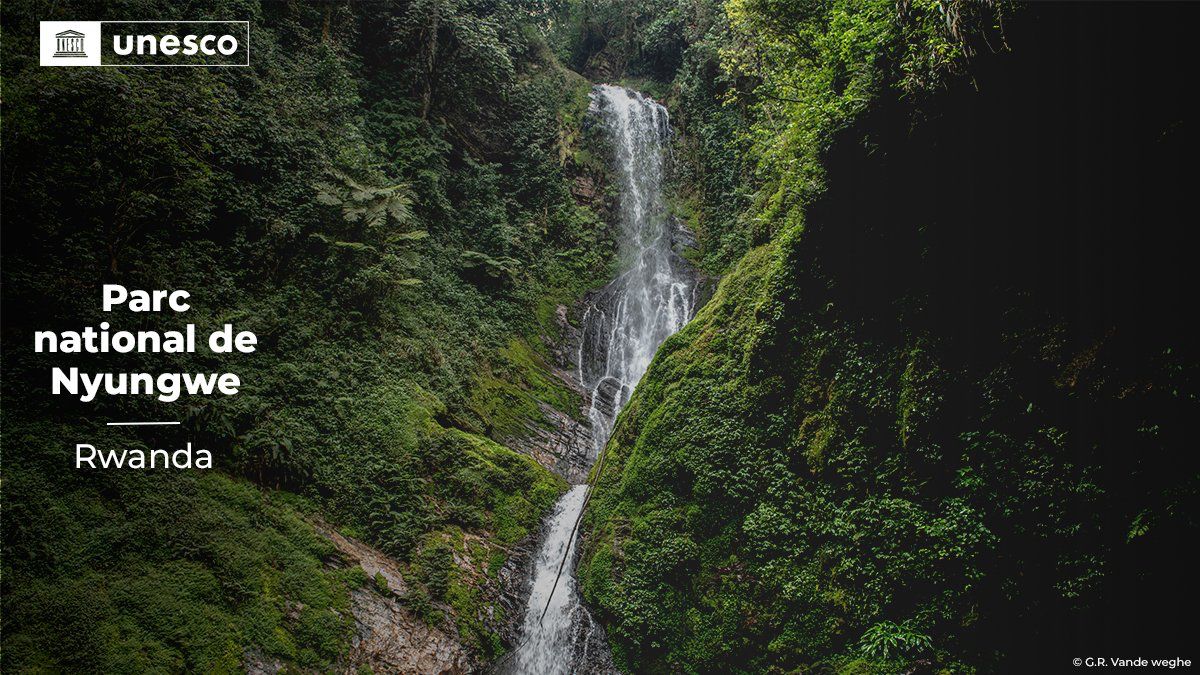
Rwanda’s Nyungwe National Park becomes UNESCO World Heritage Site
The decision was made on Tuesday, September 19, during a session of UNESCO’s World Heritage Committee taking place in the Saudi capital Riyadh.
“This serial property represents an important area for rainforest conservation in Central Africa,” UNESCO
The nearly 102,000-hectare rainforest, located in southwestern Rwanda, is home to intact forests and peat bogs, moors, thickets, and grasslands, providing habitats to highly diverse flora and fauna.
UNESCO said: “The Park also contains the most significant natural habitats for a number of species found nowhere else in the world, including the globally threatened Eastern Chimpanzee (Pan troglodytes schweinfurthii), Golden Monkey (Cercopithecus mitis ssp. kandti) and the Critically Endangered Hills Horseshoe Bat (Rhinolophus hillorum).”
The UN agency added that Nyungwe National Park is home to 12 mammal and seven bird species that are globally threatened, with 317 species of birds recorded.
“Nyungwe National Park is one of the most important sites for bird conservation in Africa,” UNESCO said.
Reacting to the development, Rwanda government spokesperson Yolande Makolo said Nyungwe’s inscription on UNESCO World Heritage List was “good news.”
“This is a significant designation that will reinforce Rwanda's ongoing conservation efforts,” Makolo
In December 2021, the Rwandan government approved a request to UNESCO to list Nyungwe on its World Heritage List, a move lauded by conservationists as a step in the right direction.
The national park feeds two of the world's longest rivers – River Nile and River Congo – and is the source of up to 70 per cent of Rwanda’s freshwater.
Nyungwe’s monetary value is estimated at $4.8 billion, according to studies.
Until Nyungwe’s inscription, Rwanda was among 12 African countries which did not have a UNESCO World Heritage site.
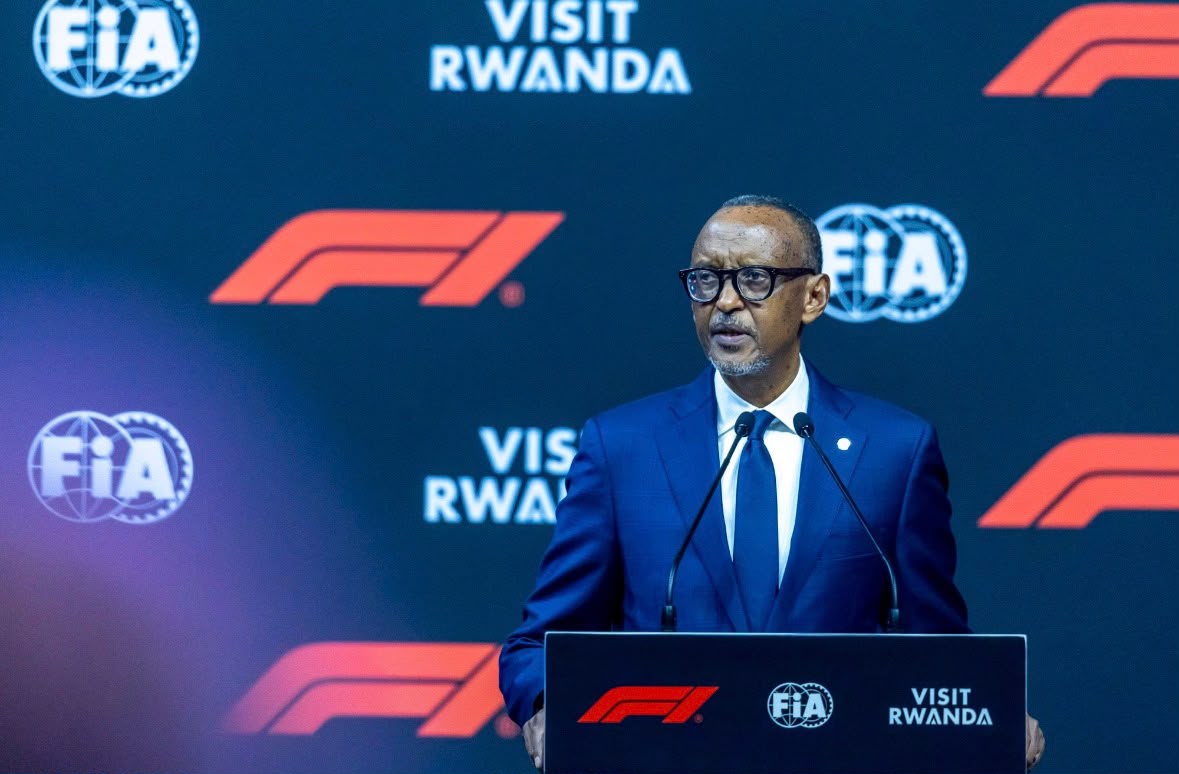
President Kagame: Formula One fits into Rwanda’s bigger ambitions

Rwanda’s knowledge-based economy a model for COMESA

Namers for the 21st Kwita Izina Gorilla Naming Ceremony

Rwanda and Botswana Strengthen Bilateral Defence Cooperation

Rwanda and Zimbabwe move to deepen parliamentary cooperation

Kwita Izina2026: 22 baby gorillas to be named

Rwanda’s annual agricultural exports surpass $1bn for first time

ZIMBABWE STAFF COLLEGE DELEGATION EXPLORES RWANDA'S SECURITY TRANSFORMATION AND GOVERNANCE DURING STUDY TOUR
