
Rwanda, UN Representative warn against hate speech and extremist ideologies
RWANDAN Ambassador to Zimbabwe Mr James Musoni and United Nations Resident and Humanitarian Coordinator Mr Edward Kallon yesterday warned against the emergence of new forms of hate speech and extremist ideologies being amplified by digital platforms, saying failing to combat them will lead to distortions and historical revisionism.
Addressing the media in Harare ahead of the 32nd commemoration of the 1994 genocide against the Tutsi, Mr Musoni said silence in such warnings amounts to complicity, which results in devastating consequences that have been seen due to denial and indifference.
He referenced the continued propagation of genocidal ideology by remnants of the 1994 genocide against the Tutsi by the regrouped perpetrators under the Democratic Forces for the Liberation of Rwanda (FDLR) in eastern Democratic Republic of Congo (DRC) as contributing to ongoing instability and displacement.
“Genocide ideology, denial, and distortion continue to evolve and spread across borders mainly in the Great Lakes region, increasingly amplified by digital platforms and emerging technologies, including artificial intelligence.
“As we commemorate the 32nd Kwibuka (To Remember), we are deeply concerned by the continuing insecurity in the Great Lakes region. The situation in eastern DRC is a stark reminder of the consequences of inaction and echoes the failure of the international community in 1994,” Mr Musoni said.
The mass killings against the Tutsi started on April 7, and for a period of 100 days led to the murder of one million people who were systematically hunted down and murdered by soldiers and militias of the then government.
Mr Musoni said as the world commemorates the genocide against the Tutsi, commitment that such a “dark chapter” should not be returned to must be translated into concrete action to combat hate speech and dismantle ideologies of division.
“We call upon the international community to take decisive action against the FDLR; combat genocide denial, hate speech and extremist ideologies; ensure accountability by bringing perpetrators to justice wherever they may be; and uphold the principles of international solidarity and the responsibility to protect.”
Mr Kallon said the April 7 commemoration held under the theme “Remember, Unite, Renew” is both a remembrance and warning that continued inaction risks repeating past failures, adding the need to combat hate speech on online spaces to safeguard human dignity. “There are three key messages, that is, remember, unite and renew. The priority call to action in this means we need to invest in inclusive societies and strong, accountable institutions that protect fundamental rights. There is need to combat hate speech, genocide ideology and denial in all its forms and spaces, including online to safeguard human dignity,” Mr Kallon said.
April 7 is recognised by the United Nations and the African union as a day to honour over one million victims, to support survivors and reinforcing the “Never Again” global commitment.
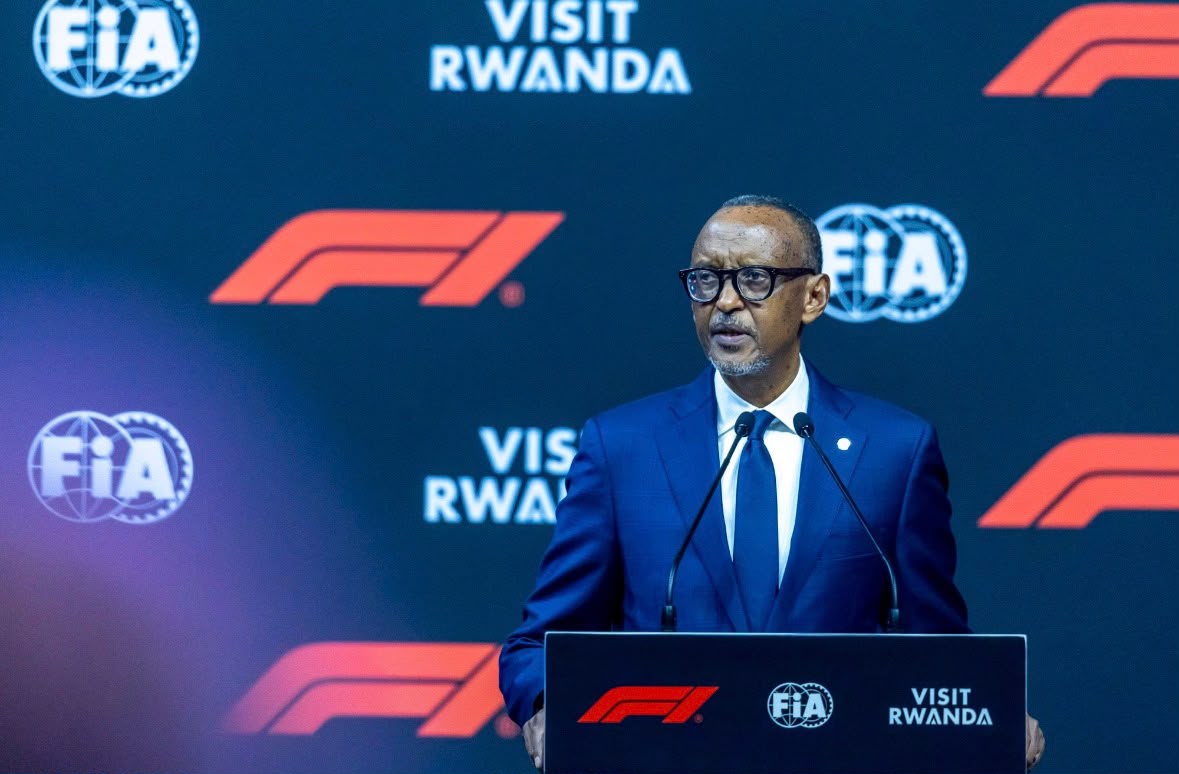
President Kagame: Formula One fits into Rwanda’s bigger ambitions

Rwanda’s knowledge-based economy a model for COMESA

Namers for the 21st Kwita Izina Gorilla Naming Ceremony

Rwanda and Botswana Strengthen Bilateral Defence Cooperation

Rwanda and Zimbabwe move to deepen parliamentary cooperation

Kwita Izina2026: 22 baby gorillas to be named

Rwanda’s annual agricultural exports surpass $1bn for first time

ZIMBABWE STAFF COLLEGE DELEGATION EXPLORES RWANDA'S SECURITY TRANSFORMATION AND GOVERNANCE DURING STUDY TOUR
