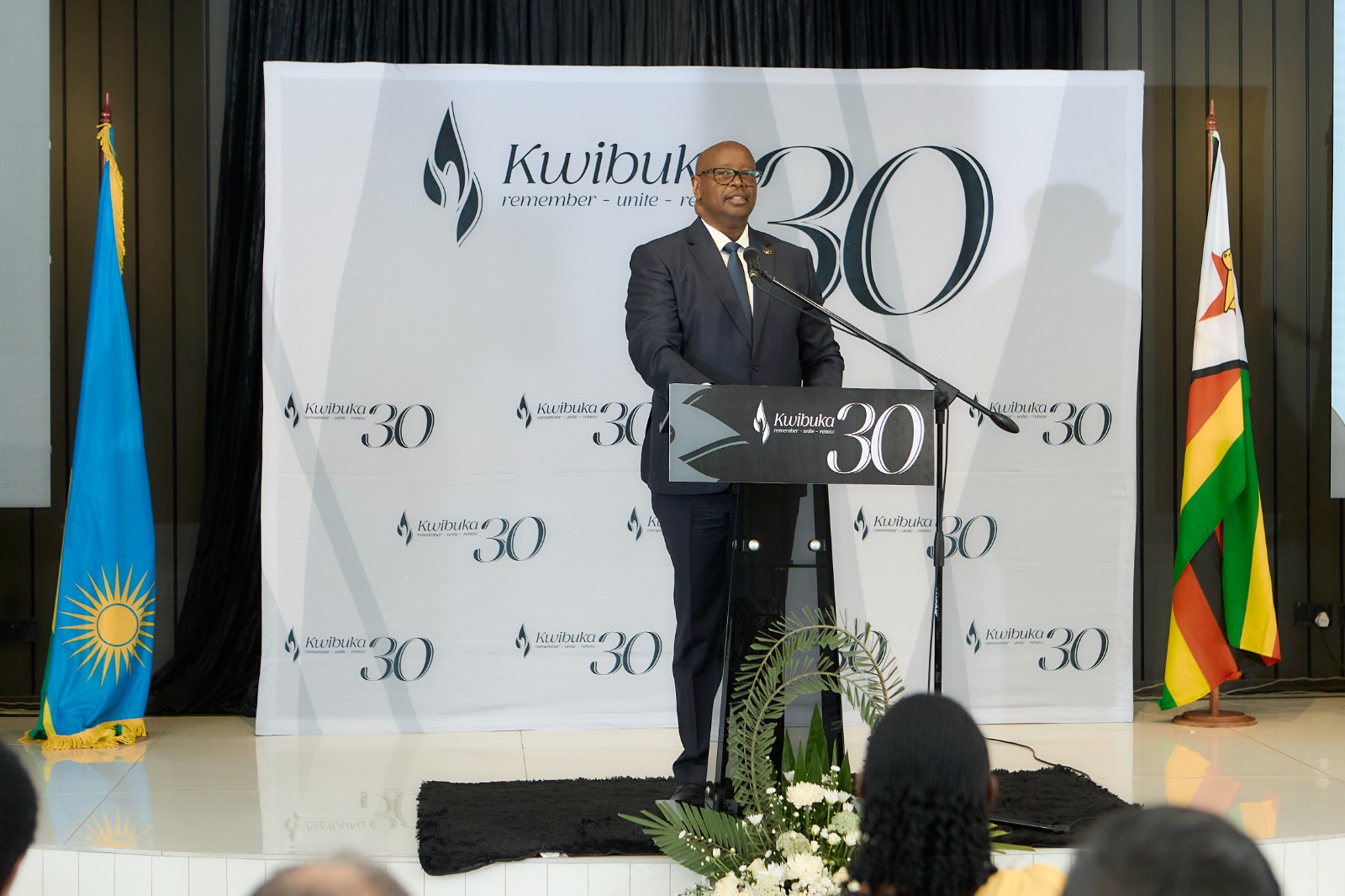
Kwibuka30: Amb. MUSONI Interview: Rwanda’s unconventional approach resolved the 1994 genocide against Tutsi
April 7, 2024 marks the start of Rwanda’s Kwibuka 30, the 30th commemorations of the Genocide against the Tutsi ethnic group, which began on April 7, 1994. This year, commemorations are being held under the theme, “Remember Unite Renew”.
NewsDay Digital and Online editor Silence Mugadzaweta (ND) interviewed ambassador of the Republic of Rwanda to Zimbabwe, James Musoni (JM) who chronicled how Rwanda has fared since the 1994 genocide.
ND: The Republic of Rwanda is commemorating 30 years after the genocide against the Tutsi. Kindly share with us how the journey has been so far, can you highlight the challenges and successes?
JM: After the 1994 genocide against the Tutsi in Rwanda, the country faced immense challenges as it grappled with the aftermath of this devastating event such as: human loss and trauma where over one million lives were lost, infrastructure destruction, displacement and disruption where millions of people were displaced from their homes and a post-genocide unity creation.
Rwanda needed an unconventional approach to deal with the deep breach of the social fabric that began even before the genocide.
Despite the immense challenges, Rwanda has made remarkable success. The country has focused on rebuilding to ensure that genocide never happens again. The successes are evident in our resilient communities, fast growing economy, good governance and restored national identity. Thanks to the extraordinary leadership of His Excellency Paul Kagame.
ND: Can you explain the significance of the commemorations of the genocide against the Tutsi to Rwanda and Africa?
JM: By acknowledging our painful history, we honour the victims and ensure that their suffering is not forgotten, it seeks to unite people in the fight against the crime of genocide, genocide ideology and genocide denial as well as encouraging a collective commitment to justice where perpetrators wherever they may be, are held accountable.
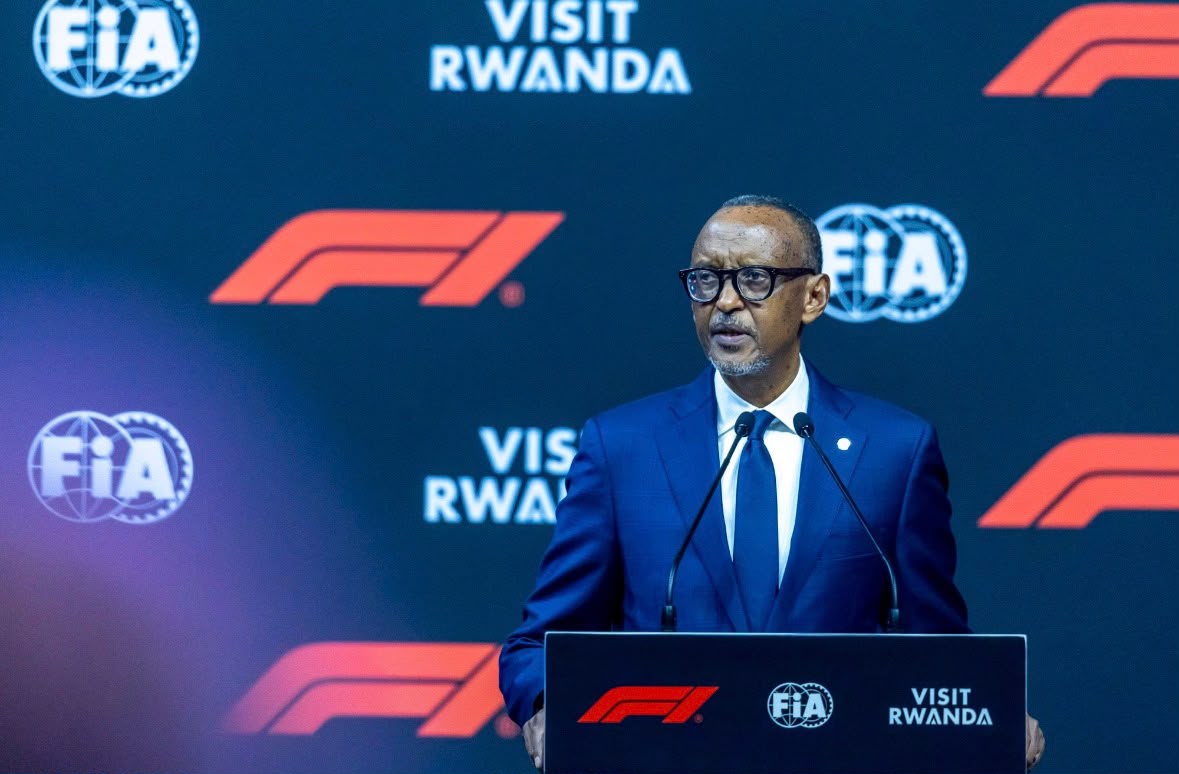
President Kagame: Formula One fits into Rwanda’s bigger ambitions

Rwanda’s knowledge-based economy a model for COMESA

Namers for the 21st Kwita Izina Gorilla Naming Ceremony

Rwanda and Botswana Strengthen Bilateral Defence Cooperation

Rwanda and Zimbabwe move to deepen parliamentary cooperation

Kwita Izina2026: 22 baby gorillas to be named

Rwanda’s annual agricultural exports surpass $1bn for first time

ZIMBABWE STAFF COLLEGE DELEGATION EXPLORES RWANDA'S SECURITY TRANSFORMATION AND GOVERNANCE DURING STUDY TOUR
